Carpenter in San Jose, CA: Wood Rot, Structure & Finish Work
San Jose Carpentry is a residential carpentry shop serving homeowners across San Jose, Santa Clara, Sunnyvale, Cupertino, and Mountain View with honest, skilled work in wood. We handle the full span of residential carpentry: wood rot and termite damage repair, structural framing and joist replacement, beam work and load-bearing alterations, and finish carpentry from trim and doors to custom built-ins and cabinetry. Our carpenters know the Santa Clara Valley building stock, the Queen Anne and Craftsman homes of Naglee Park and Willow Glen, the Victorian estates of Rose Garden, the Tudor Revival cottages and Mediterranean villas from the 1920s and 1940s, and the postwar ranch and newer infill neighborhoods across Cambrian, Blossom Valley, and Evergreen. We work on homes that have settled over a century, carry their original millwork, and live in a climate where moisture finds its way into wood.
When you call a carpenter near me in San Jose, you reach the same carpenters who will do your work. We explain what we find, propose repair before replacement whenever the wood justifies it, and price the job honestly. Whether it is a soft floor, visible rot in siding or fascia, damage discovered after a pest inspection, or finish work that needs to match the character of your home, call (669) 202-8707 for a free wood rot inspection and a straightforward estimate.
Why Wood Fails in San Jose, and How We Read It
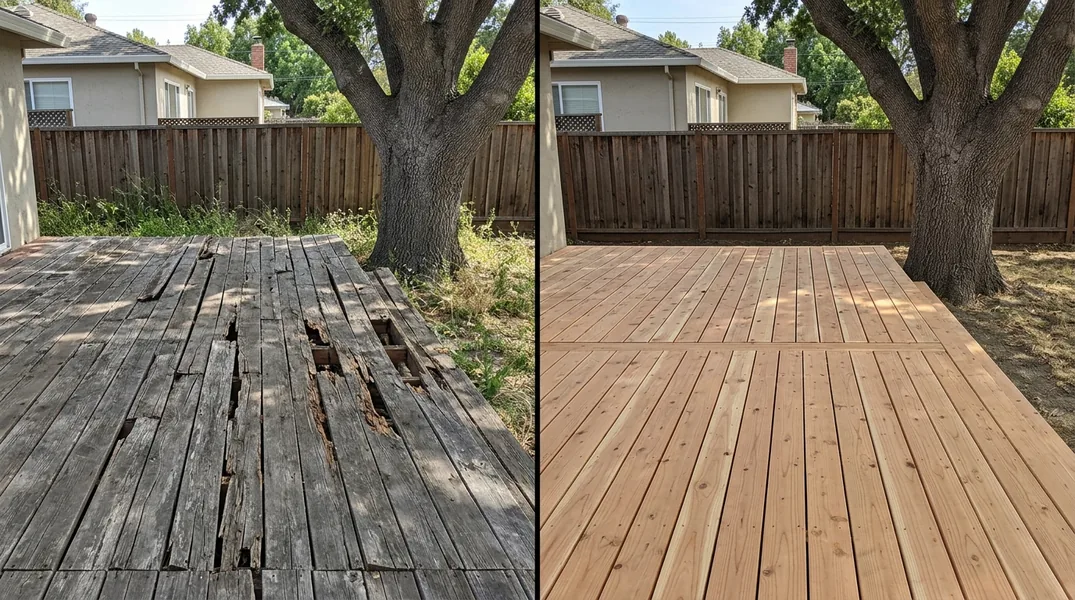
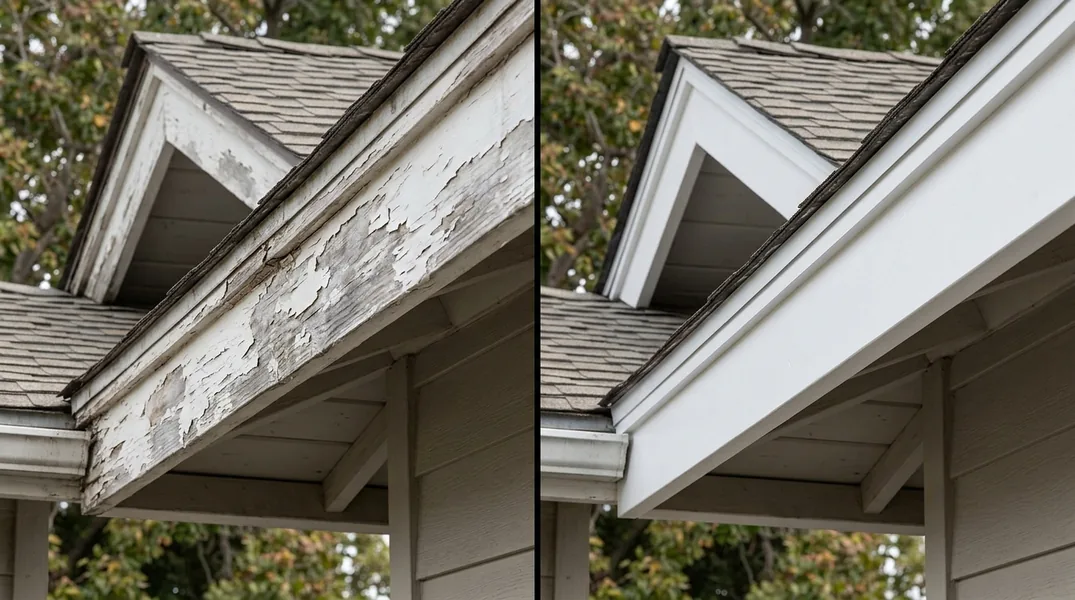
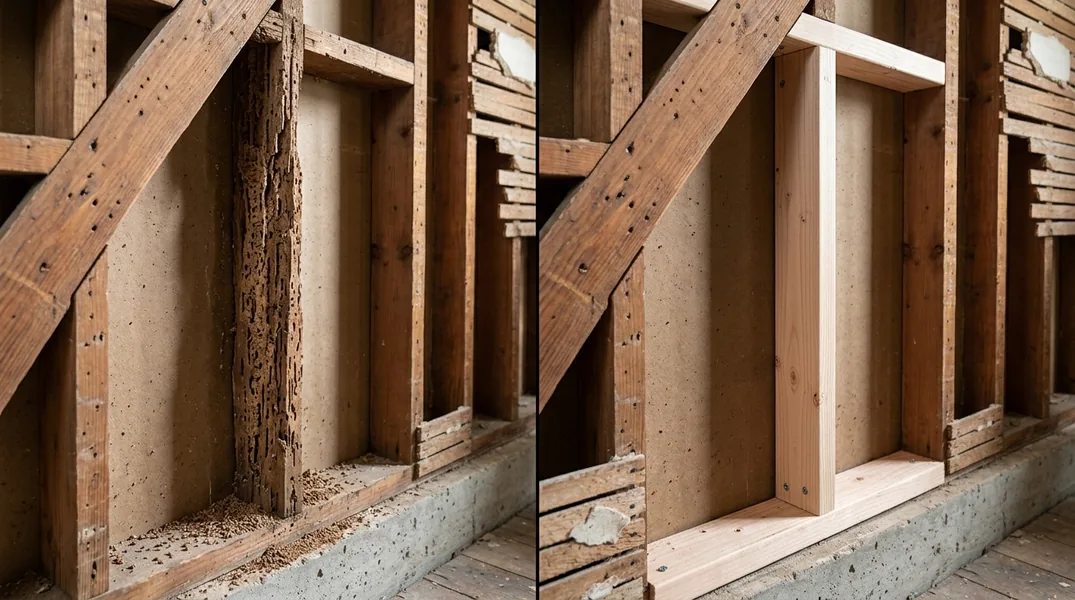
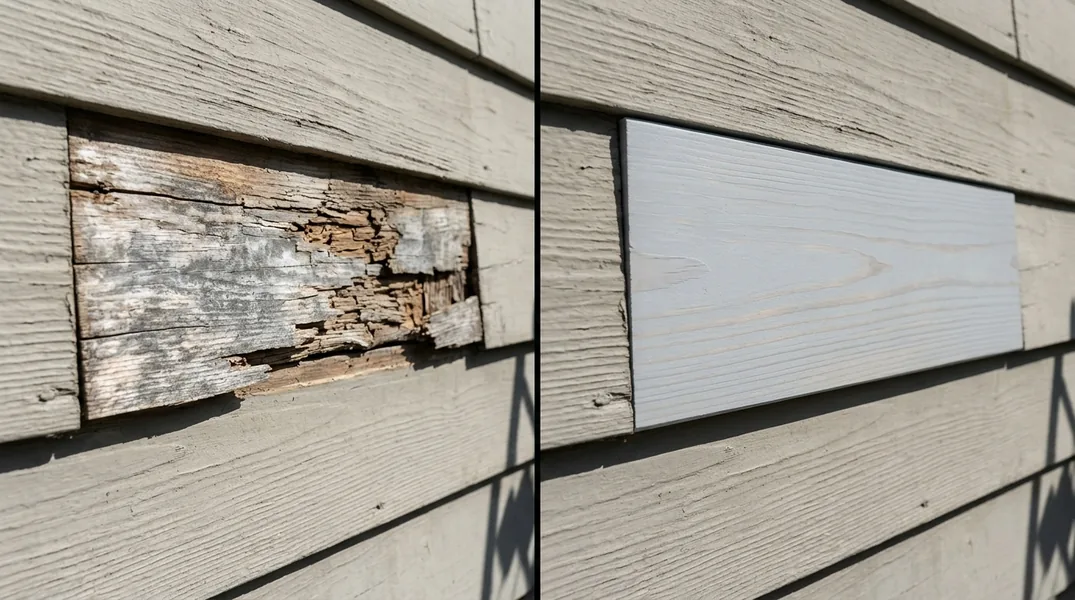
Wood fails in San Jose in three main ways, each driven by the moisture that the valley's climate and building conditions provide. Dry rot is not caused by standing water but by sustained dampness, the kind that lives in a wall cavity where air does not move, or in a deck frame where water pools against the wood and evaporates slowly. A fungus grows in that moisture, breaking down the cellulose and leaving the wood soft, spongy, and eventually hollow. Wet rot appears where water sits for long periods: at window sills and thresholds, along the bottom edge of siding where it meets the foundation, at deck ledgers bolted to the rim joist, and in fascia and soffit where gutters overflow or where paint has failed. Termite and beetle damage is different in appearance but similar in effect, insects hollow out the interior of a beam or joist while the outer paint film remains intact, and the member loses its strength from inside. In each case, the wood looks worse than it actually is, or sounds worse than it looks, depending on what you find when you probe.
Assessment means looking deeper than the surface. We probe to find where sound wood begins, check the framing behind the visible decay, and trace the water path that fed it. A member with cosmetic surface softness on a sound core can be cut out and rebuilt with new wood in the affected section. A member that has lost significant section, where the rot or insect damage has consumed the depth or width needed to carry load, gets replaced. And here is the honest part: if the water source is not closed, the repair fails again. Filler over rot, or a new joist bolted to a sill that is still wet, does not solve the problem. We identify what needs to dry or drain, and we quote the work that makes it stick.
On termite and beetle damage, we stay in our lane. We repair and replace the damaged wood, working from your own pest inspection report. We do not treat, fumigate, or perform pest control, that is a separate regulated trade with its own licensing and expertise. What we do is remove and replace the wood that insects have damaged, and we do it right. Call (669) 202-8707 or request a free wood rot inspection if you have found rot in siding, sills, fascia, or a deck frame, or if a pest report has shown damage in your framing. We will tell you what we see and what it costs to address.
Structural Carpentry in San Jose: Joists, Beams and Settling
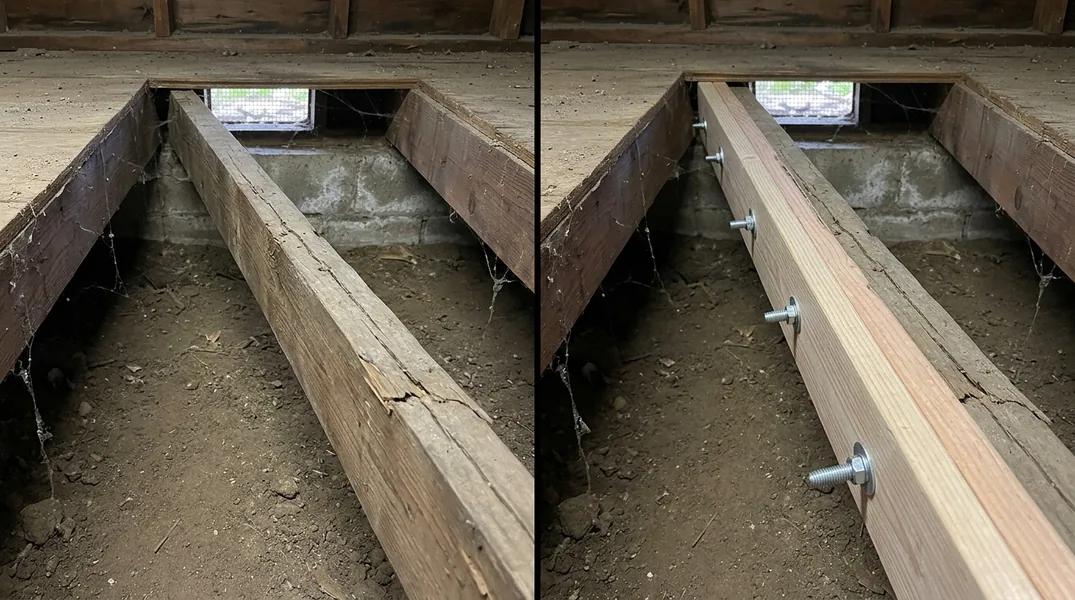
Structural carpentry in older San Jose homes means understanding what has happened over time and what needs to happen now. A house built in 1910 or 1950 has settled, that is the normal condition here. Sloping floors and doors that stick are usually the result of a century of gradual settling on the clay and adobe soils of the valley floor, not active failure. What matters is whether a member is still moving, and whether it is still sound where it carries load. A floor joist that has lost section to rot or insect damage needs to be sistered with a new joist bolted alongside it, or replaced if the damage is too extensive. Subfloor sections that have softened get cut out and replaced. A sill plate or rim joist that has decayed at the foundation gets rebuilt. We assess each condition and propose the repair that makes sense for the wood and the building.
Larger structural work, replacing a beam, removing a load-bearing wall, or altering the framing around an opening, commonly requires drawings from a licensed structural engineer and a permit from your local building department. We build to those engineered drawings; we do not produce them. We are fully insured, and we work closely with engineers and inspectors to make sure the framing is right. If you have a sagging floor, a wall you want to open up, or a beam that needs replacement, we can help you understand what the work involves and what it costs. The floor joist and subfloor repair page walks through common scenarios, and our beam replacement and load-bearing wall removal service covers the larger structural moves.
Finish Carpentry and Built-Ins in San Jose Homes
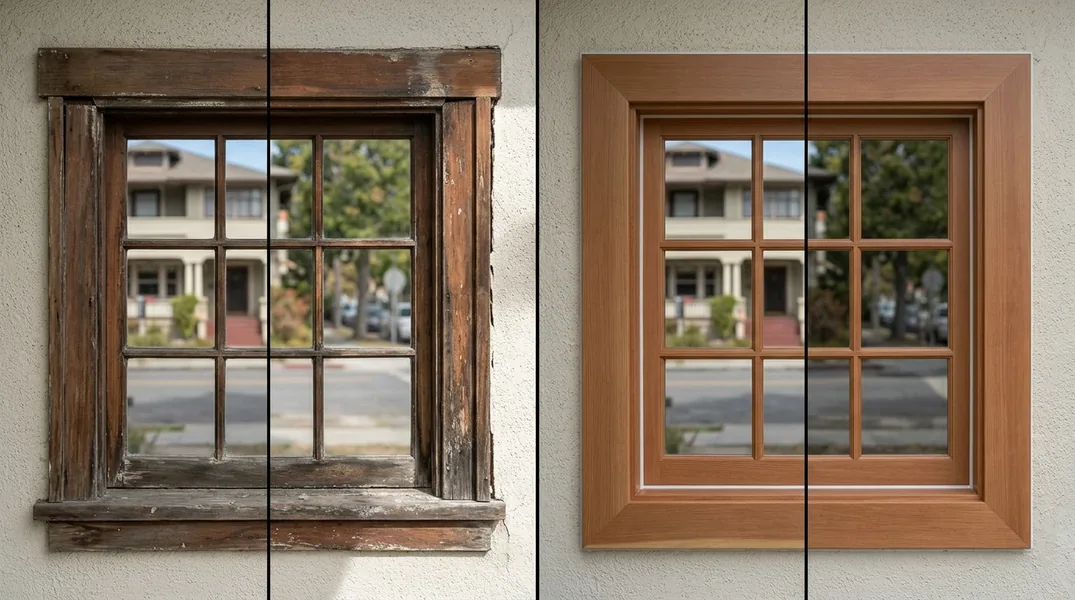
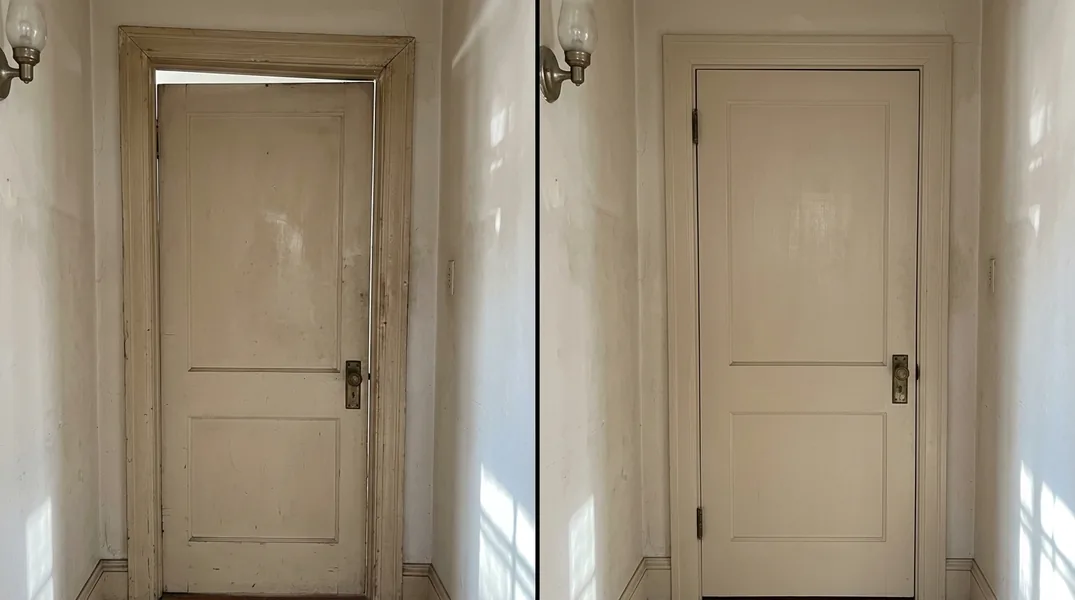
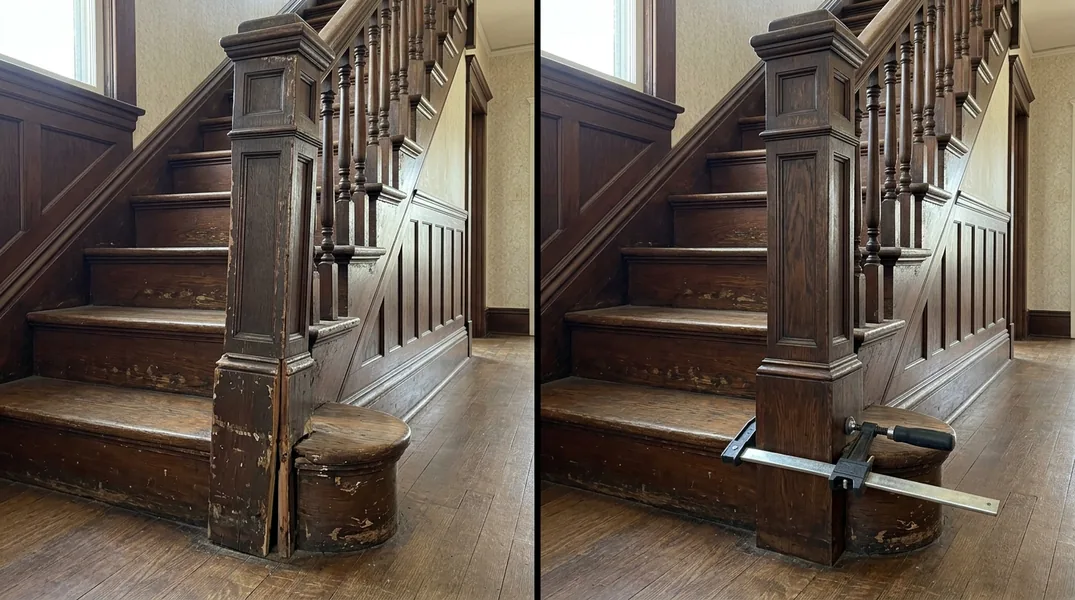
Finish carpentry in San Jose's older housing stock is about craft and attention to detail. The Craftsman bungalows of Willow Glen, the Queen Anne homes of Naglee Park, and the Victorian estates of Rose Garden all carry original millwork, crown molding, baseboard, wainscoting, and built-in cabinetry, that is worth matching rather than replacing. We install casing around doors and windows with consistent reveals, run crown molding with coped joints instead of caulked corners, and scribe baseboard and trim to walls that are neither flat nor plumb. Custom built-ins, shelving, and cabinetry are fitted to the room as it actually is, not as the blueprint said it would be. Interior and exterior doors are hung to swing freely and close tight. Stairs and railings are repaired or rebuilt to code, with treads, stringers, balusters, and newel posts finished to match the period and style of the home.
The compact floor plans and bay windows of valley homes leave little room for error, and out-of-square openings are the rule rather than the exception. We measure carefully, fit tightly, and match existing profiles and finishes so the new work looks like it belongs. Whether you need crown molding and baseboard installation, custom built-ins and shelving, or finish carpentry that ties your kitchen or bathroom into the rest of the house, the work is done by carpenters who understand what makes these homes feel right.
Permits, Repair-or-Replace & What We Do Not Do
Permits and the decision to repair or replace are two separate questions, and we handle both honestly. In most jurisdictions, a permit is commonly required for structural work such as removing or altering a load-bearing wall, replacing beams or floor joists, and building or altering exterior decks. Requirements vary widely, and thresholds differ from city to city. Before you start any structural or major carpentry work, verify the requirements with your local building department, we can help you understand what the work involves and what documentation you will need, but the permit rules are theirs to set and yours to check. We are fully insured, and we can help you document damage for an insurance claim, though we cannot promise that a claim will be approved or that work will be covered by your policy.
On the repair-or-replace question, the criteria are straightforward: how much sound section is left in the member, whether the water source or pest pressure can be closed, and what the two options cost. We quote both when both are real options, and we tell you plainly when one is the only honest answer. Filler over rot is not a repair; a joist that has lost half its depth cannot be sistered back to strength; and if the water keeps coming, the work fails again. We build repairs to last, which means addressing the root cause. Requirements vary, always verify with the San Jose building department before starting your project. For a free estimate and to discuss your specific situation, call us at (669) 202-8707.