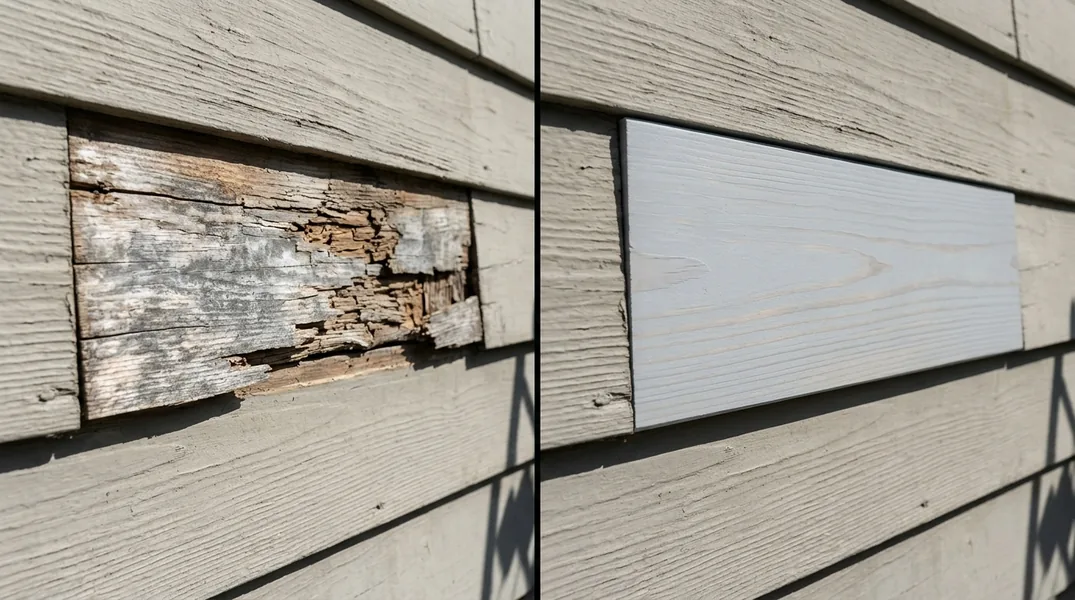
Dry Rot vs Termite Damage: Understanding the Key Differences
If you've noticed soft, crumbling wood in your San Jose home, you're probably wondering whether you're dealing with dry rot or termite damage. Both are serious structural threats that can compromise your home's integrity, but they require different treatment approaches. Understanding the distinction between these two problems is the first step toward protecting your property and your wallet.
Dry rot and termite damage might look similar at first glance, but they originate from completely different causes. Dry rot is a fungal decay that thrives in damp conditions and spreads through wood like a disease, while termites are living insects that actively consume wood as they tunnel through your home. The way each problem develops, spreads, and damages your structure varies significantly, which means misdiagnosing the issue could lead to wasted time and money on the wrong repairs.
What Does Wood Rot Look Like: Visual Signs You Should Know
Dry rot presents itself in several distinctive ways that can help you identify it before it becomes a major problem. The affected wood typically becomes darkened, often appearing almost black or deep brown in color. You'll notice the wood becomes soft and crumbly, almost like it's been compressed into a powdery consistency. When you press on affected areas with a screwdriver or similar tool, the wood will easily give way, and you may see it crumble into dust. This brittleness is one of the hallmark characteristics of dry rot and sets it apart from the damage caused by other wood-destroying pests.
Another telltale sign of dry rot is the presence of fine cracks that form in a distinctive cube-like pattern across the wood surface. These cracks occur because the fungus causes the wood to shrink unevenly as it loses moisture and structural integrity. You might also notice a musty, earthy smell emanating from affected areas, which is the odor of the fungal growth itself. In advanced stages, you may see white or grayish fungal strands (called mycelium) spreading across the wood or nearby surfaces. If you suspect dry rot in your San Jose home, it's crucial to have it assessed quickly by a professional who can recommend Wood Rot & Dry Rot Repair options.
Signs of Termite Damage in Wood: How to Spot an Infestation
Termite damage presents a markedly different appearance than dry rot, though both can severely weaken wooden structures. When termites consume wood, they typically create hollow galleries or tunnels running along the grain. The wood may look relatively intact on the surface, but if you tap or press on it, you'll discover it's hollow underneath. This is fundamentally different from dry rot, where the wood crumbles throughout. Termites are more surgical in their destruction, eating away the interior while leaving the outer shell relatively untouched.
You might also notice mud tubes running along your foundation, basement walls, or wooden beams. These tubes are constructed by subterranean termites as protective highways between the soil and the wood they're feeding on. Termite droppings, called frass, may accumulate in small piles beneath infested wood. These droppings are tiny, pellet-like, and often appear as fine sawdust. Additionally, you might observe swarms of winged termites, particularly in spring, or find discarded wings near windows and light sources. Unlike the musty smell associated with dry rot, termite-infested wood may have little odor initially, making visual inspection and professional assessment even more important for accurate diagnosis.
How Dry Rot and Termite Damage Spread: Why Early Detection Matters
Dry rot spreads through airborne fungal spores that settle on damp wood and begin to grow. The fungus requires moisture to thrive, which is why dry rot is often found in bathrooms, basements, crawl spaces, and areas with poor ventilation or water intrusion. Once established, the fungus can spread rapidly through structural wood, and in some cases, it can even spread to nearby masonry. The fungus releases moisture as it breaks down the wood, which paradoxically helps it continue spreading even in areas that aren't obviously wet. This aggressive spread pattern means that a small area of dry rot can quickly become a major structural problem if left untreated.
Termites, by contrast, spread more slowly but persistently. Subterranean termites require moisture in the soil and typically enter homes through contact with the ground. Once inside, they establish colonies and systematically work through available wood sources. Termites can spread from one area of your home to another, but they do so by actively tunneling and feeding. The key difference is that termite colonies are contained in specific locations, whereas dry rot fungal spores can travel through the air. Understanding these spreading patterns emphasizes why early detection of either problem is critical. The longer you wait to address the issue, the more extensive and expensive the repairs become.
Professional Inspection and Diagnosis Near Me: When to Call San Jose Carpentry
Given the complexity of distinguishing between dry rot and termite damage, attempting a DIY diagnosis can lead to costly mistakes. A professional carpenter or pest inspector has the experience and tools to accurately identify the problem and assess the extent of damage. They can determine whether the issue is limited to surface areas or has penetrated deep into your home's structural framework. This assessment is essential for developing an effective repair plan and understanding the true cost of restoration.
San Jose Carpentry specializes in identifying and repairing both dry rot and termite damage. Our team can perform a thorough inspection of your home, pinpoint the source of the problem, and recommend the most appropriate repair strategy. Whether you need Wood Rot & Dry Rot Repair, Termite Damage Repair, or structural work like Floor Joist & Subfloor Repair, we have the expertise to handle it. Don't let uncertainty delay your decision. Contact us at (669) 202-8707 or request a free estimate today to get clarity on what's affecting your home.
Repair and Prevention: Protecting Your San Jose Home Long Term
Once you've identified whether you're dealing with dry rot or termite damage, the next step is addressing the problem and preventing future occurrences. Dry rot repair typically involves removing all affected wood and replacing it with treated lumber, along with eliminating the moisture source that allowed the fungus to thrive in the first place. This might mean improving ventilation, fixing leaks, installing vapor barriers, or addressing drainage issues around your foundation. Termite damage repair requires removing infested wood, replacing it with new material, and often treating the surrounding area with termiticide to prevent reinfestation.
Prevention is always more cost-effective than repair. For dry rot, maintain proper drainage around your home, ensure good ventilation in crawl spaces and attics, and address any water intrusion promptly. Keep wood away from direct soil contact when possible, and monitor areas prone to moisture. For termites, eliminate sources of wood-to-soil contact, keep mulch and wood debris away from your foundation, and consider regular professional inspections. If you're unsure about the condition of your home's structural wood or need guidance on prevention strategies, San Jose Carpentry can help. Call us at (669) 202-8707 to discuss your specific situation and learn how we can help protect your investment for years to come.
Looking for a professional carpentry contractor in San Jose? San Jose Carpentry responds fast for all your carpentry needs.
Get a Free QuoteOur services: Wood Rot & Dry Rot Repair · Termite Damage Repair · Floor Joist & Subfloor Repair